



Flavour Booster 101: Soy Sauce
Soy Sauce 101
Soy sauce is an all-purpose flavour booster for every grocery cart and pantry cupboard. Used throughout Asia as a flavour enhancer, this dark seasoning liquid is salty and savoury, with a tangy edge, bringing out the best in many dishes.
What Is Soy Sauce?
Soy sauce is one of the oldest condiments in the world, dating back to China’s Han Dynasty (200 BCE). Deeply flavoured – thanks to fermentation and the rich umami flavour profile – it’s typically used for cooking, marinades, seasoning, glazes and dipping sauces.
Umami, explained
Also known as the fifth taste, umami has an appealing, savoury deliciousness. Ingredients that are high in the amino acid glutamate, such as oven-roasted tomatoes, Parmesan cheese and dried mushrooms, have this umami quality. So do aged cured meats and fermented foods, such as soy sauce and kimchi.
How is soy sauce made?
Soy sauce is made by fermenting roasted soybeans and wheat with mold. It’s mixed with salt water and transferred into barrels to age. The soy sauce ferments for anywhere from six months (for most standard supermarket brands) up to several years before the liquid is strained and pasteurized for bottling.
How many types of soy sauce are there?
- Japanese soy sauce: is made from this mixture of wheat and soy. Known as shoyu, it is thin, with a sweeter, gentler flavour than other types. It is an all-purpose choice for dipping sushi or sashimi or making stir-fries, such as Sweet & Spicy Rice Noodles with Broccoli.
- Chinese soy sauce: is made using a similar process but with only soybeans. There are two main types: light and dark. The term “light” has nothing to do with the salt content or colour; it’s used to describe the mellow, complex flavour that’s perfect for dishes like our Hot Pot. Surprisingly, dark soy can taste less salty. It goes through a longer fermentation and has a thicker texture and darker colour. Sugar is sometimes added to produce a sauce with a molasses-like quality. Dark soy sauce is used for cooking and in dipping sauces, and it adds delicious flavour to Chinese-Style Pork Dumplings 2 Ways.
- Reduced or low-sodium soy sauce: is made in a similar way as the regular style of sauce. Depending on the brand, it has 25% to 40% less sodium than traditional soy sauce. Its less-salty flavour is ideal for delicate dishes, such as Sesame-Soy Glazed Wild Black Cod or Asian-Style Grilled Salmon Salad.
Tamari or gluten-free soy sauce: is also made solely from soybeans, and it has a similar strong flavour. While most brands are labelled “gluten-free,” it’s still important to check the label to be sure.
- Even more soy sauces: For the adventurous, there are many other exciting styles of soy sauce to try, such as Chinese mushroom soy sauce, sweet soy sauce, Japanese white soy sauce and Korean ganjang sauce.
How do I use soy sauce?
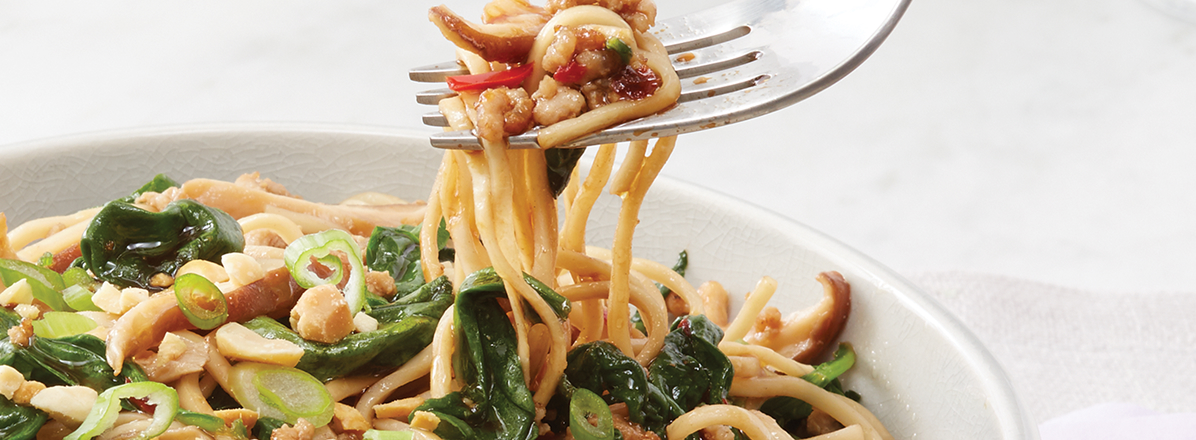
Soy sauce is very versatile: It can be a condiment, a marinade ingredient or a multi-purpose flavouring. It’s good used at the table, drizzled on steamed rice or vegetables, or served with a dab of wasabi as a dip for sushi or sashimi. Soy sauce has a natural affinity for ingredients like ginger, garlic, rice vinegar, molasses, chilies and sesame oil. It’s also a key ingredient in Japanese teriyaki and Korean bulgogi sauces, and is often added to marinades for red meat. It’s also an essential addition to stir-fries and other foods that are cooked quickly in a wok, such as fried rice or Spicy Pork and Spinach Noodles.
A small spoonful of soy sauce is also great for boosting the savoury flavour of burgers and meat loaf, and it adds a nice umami edge to barbecue sauces, gravies and even cocktail sauce for shrimp. Whisk it into a sesame-soy salad dressing or add a few drops to balsamic vinaigrette. It’s front and centre in delicious Ginger Peanut Sauce for fresh Thai spring rolls or chicken satay and it’s the secret to making gorgeous Marbled Tea Eggs to garnish ramen.
Does soy sauce need to be refrigerated?
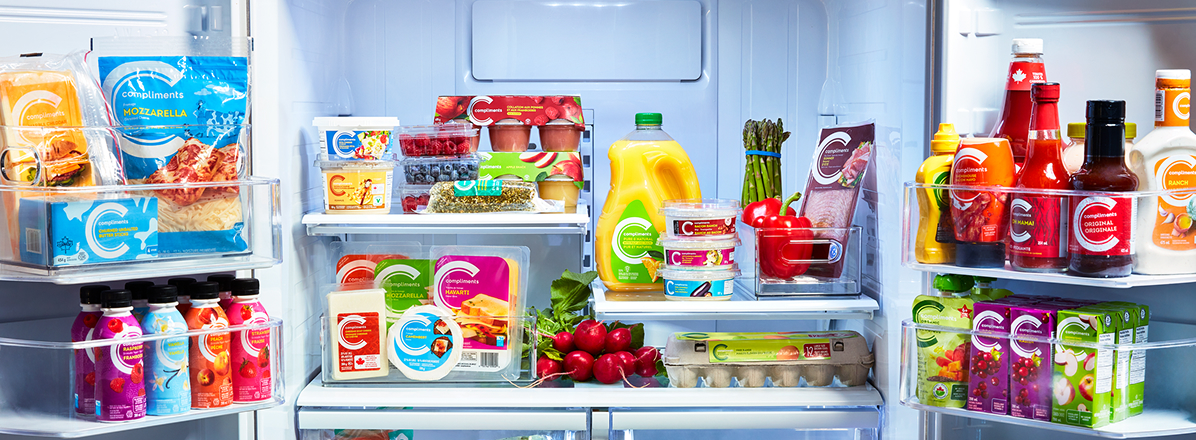
An unopened bottle of soy sauce can be kept in a cool, dark cupboard away from heat sources for a considerable amount of time. Once opened, keep it in the refrigerator to slow oxidation and preserve freshness.
Will soy sauce go bad?
Soy sauce is quite stable, but oxidation will cause it to lose flavour and freshness over time. For best results, use within 6 months of opening or by best before date.
Soy sauce substitutes
Wheat free soy sauces are available for anyone looking to cater to gluten allergies or intolerance. Tamari is typically made with soybeans only, but be sure to check the labels closely.
Soy free sauces gained popularity in the early 2010s. Coconut aminos are a dark, umami sauce made from coconut sap; they boast the flavour power of soy sauce, typically lower in sodium than a regular soy sauce, as well as being gluten and soy-free.