



Tropical Fruit 101
The tropical flavours to be found in the produce aisles are sunshine on a plate. From pineapple to mango, papaya and beyond, these fruits should be celebrated! Let’s dive into a little of what makes them special, and how to bring home the right ones for your family to enjoy.
Article Description
1. Mango
1. Mango
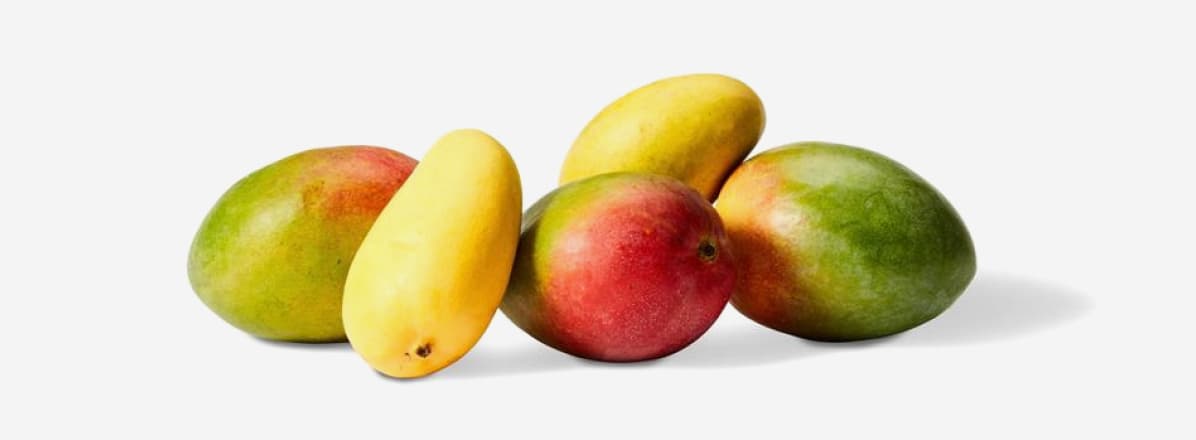
Of the over one thousand mangoes grown around the world, you’re most likely to find a handful in your local store (factors like seasonality, availability and travel all play a factor). The ones you’re thinking of are probably large red-green or red-orange mangoes; these are typically Tommy Atkins or Haden mangoes. These varieties are grown in large commercial quantities. They’re also sweet-tart, firm and a bit fibrous.
Another mango regularly available is a small, bright yellow, S-shaped fruit. The Ataulfo mango (also known as the Honey mango), is very sweet with smooth, bright yellow flesh.
How to select ripe mango
It’s always a good idea to use sight, smell and touch when selecting fruit. A light tropical aroma, gentle give to the flesh and good colour (yellow, yellow-red or yellow-orange) indicate ripeness. Green mangos are typically unripe and will require more time – up to a few days – to fully ripen before being eaten.
How to store mango
Best kept whole at room temperature until fully ripe, then refrigerated to preserve freshness until ready to use. Once cut, store in the fridge and consume within a few days.
2. Pineapple
2. Pineapple

There may not be as much variety with the pineapple, but this popular fruit has a lot of history. And though pineapple has been cultivated for thousands of years, the variety you buy today has only been around for about 100 years. And they take a long time to grow! From the first planting, it can take 1.5 to 3 years to mature.
How to choose a pineapple
Look for: a light tropical scent, and heavy fruit with green leaves (try to pull one out – it should release easily), and bright, flat “eyes”. These are all good indicators of ripeness.
How to store pineapple
Store at room temperature, out of direct sunlight. Pineapples are sold ripe, and do not continue to ripen once picked. Enjoy within a few days, before the quality begins to deteriorate. Always store cut pineapple in the fridge.
3. Kiwi
3. Kiwi
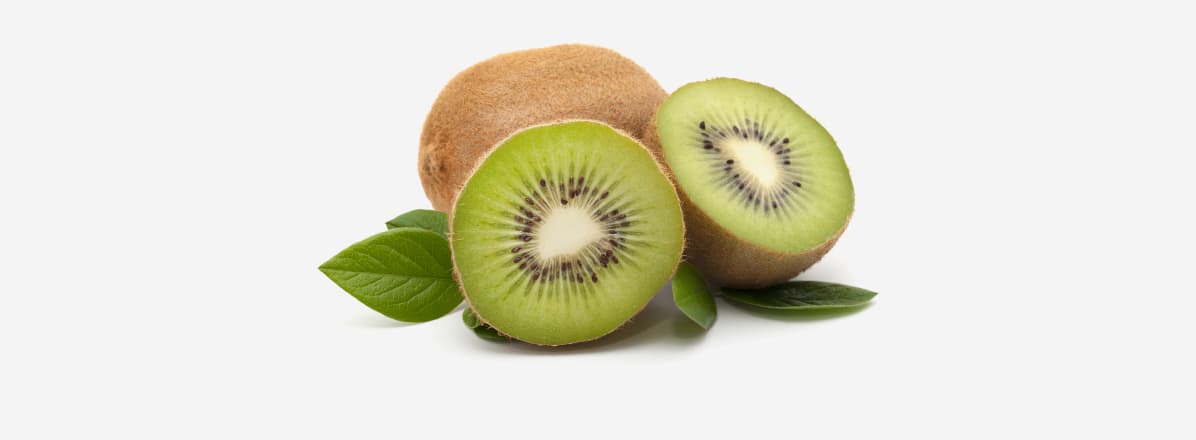
Did you know? Originally known as the Chinese Gooseberry, the kiwi fruit was renamed by New Zealand producers after its similarity to the country’s National bird.
How to choose kiwi
A ripe kiwi fruit is pleasant smelling, heavy, and gives a little under pressure. Tip: kiwi will continue to ripen on the counter, if you have a few days to wait they don’t need to be perfectly ripe on purchase.
How to store kiwi
Store at room temperature. When ripe, move kiwis to the fridge to help preserve their shelf life.
4. Papaya
4. Papaya
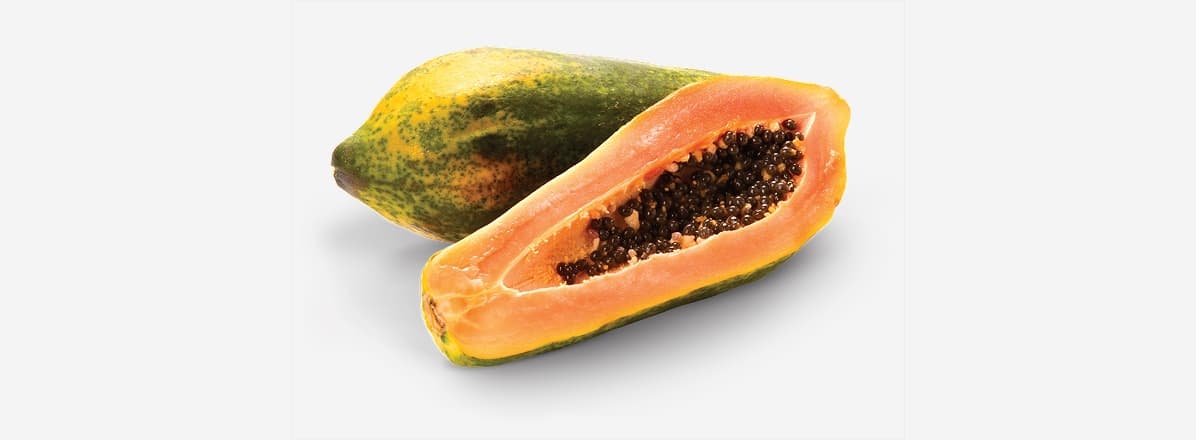
Native to Central America, this tropical fruit is pear-shaped with pink to orange flesh inside. The papaya is also filled with large black seeds (which are easy to scoop out, and also edible). It can be enjoyed in salads, with a squeeze of lime juice, blended into smoothies, and more.
How to choose papaya
A ripe papaya is juicy, nicely scented and mildly sweet. When choosing a papaya, remember that it will continue to ripen on the counter. It should be heavy, with smooth, yellow, firm skin. It should also give gently under pressure.
How to store papaya
Papaya can be stored whole at room temperature until ripe. Once cut, keep in the refrigerator to preserve freshness.
5. Avocado
5. Avocado

Did you know? Mexico leads the world in avocado production, almost exclusively growing the Hass avocado due to its hardy nature and quality. Here’s something else you may not have known: the avocado is technically a berry! It might be green, with a hard rind-like skin, but it’s definitely a fruit.
How to choose avocado
Ready to eat one today? Look for dark green to black coloured avocados that give a little bit under slight pressure. Want to use them in a couple of days? No problem! A firmer avocado with forest green skin is the way to go, as it will continue to ripen on the counter.
How to store avocado
Avocados will continue to ripen at room temperature, so keep them out on the counter until you’re ready to use them. But they can pass their ideal ripeness quickly if you forget about them, so if they ripen before you plan to use them, store them in the fridge to eke out some extra time.