



Citrus 101: Your guide to citrus
With flavours ranging from sweet to sour, citrus fruits are a great way to add fresh flavour and colour to your favourite dishes.
A little sweet, a little sour and a whole lot of delicious citrus fruits are the perfect way to bring some sunshine to cold winter days. Whether sweet or savoury, from breakfast to dessert, every meal is a delight thanks to their fresh flavour and vibrant colours. We’ve got handy tips on selection, storage, and prep to help you make the most of these delicious winter fruits.
Article Description
Types of Citrus
Types of Citrus
Oranges
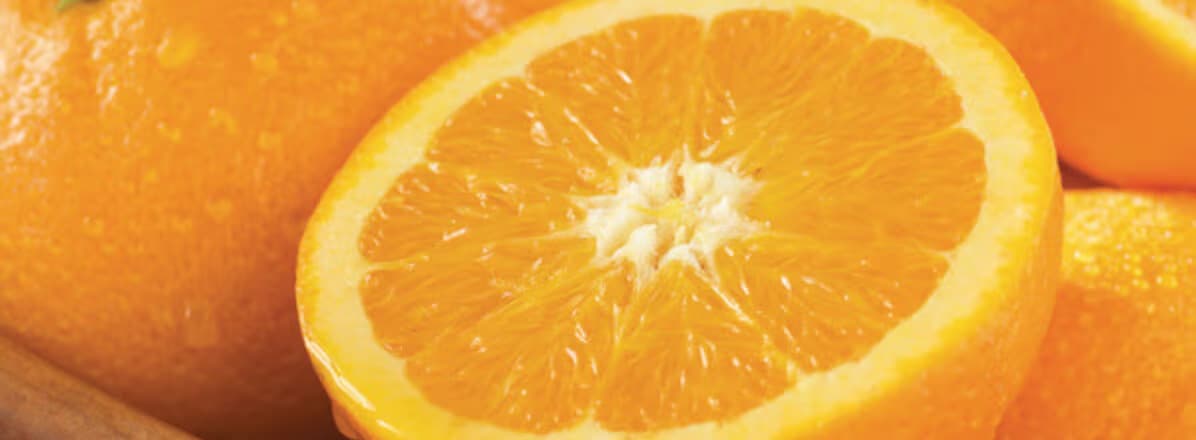
The sweetest member of the citrus family, oranges are the most easily found citrus fruit with the most varieties. You’ll often see varieties such as the Valencia, clementine, mandarin, tangerine, blood, navel and Cara Cara lining grocery store shelves year-round. Each variety has its own balance of sweetness and acidity, making oranges a great choice for both snacking and cooking. When thinking about how to pick oranges at the grocery store, look for fruit that feels heavy for its size, has firm skin, and shows vibrant colour, as these are often signs of good flavour and juiciness. Don’t worry about minor surface imperfections; they usually don’t affect the taste and often indicate a well-ripened fruit.
Tips:
- Add segments of your favourite variety to fresh salads for a pop of colour and natural sweetness that pairs well with green vegetables, nuts and cheeses.
- Add to marinades or vinaigrettes for a bright, citrusy note or cook them down into wonderful winter marmalades that make the most of their natural sugars and aroma.
Lemons
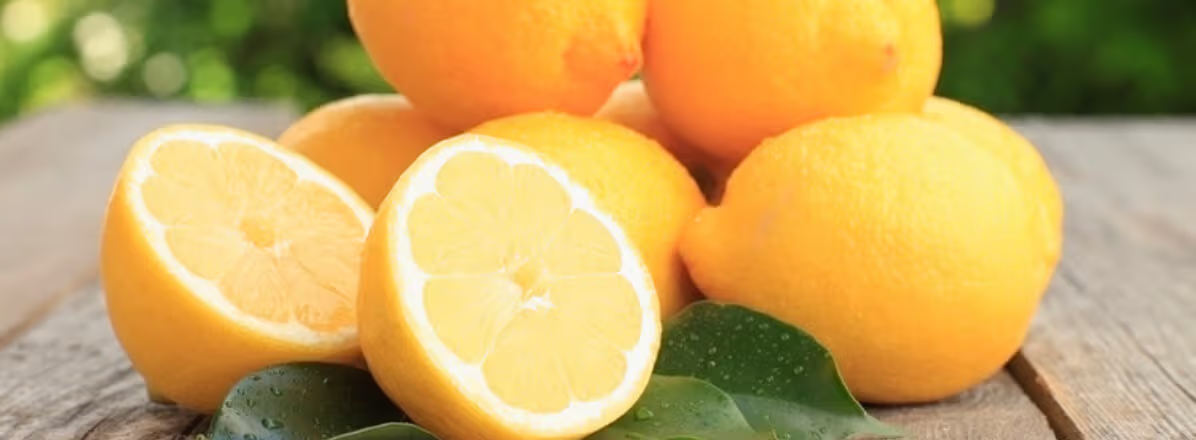
Lemons are highly acidic with a refreshing flavour and bright-yellow colour, which instantly enhances both sweet and savoury dishes. They're a kitchen staple thanks to their ability to bring out flavours without overpowering them, whether used for juicing, zesting, or both. You’ll see common and Meyer lemons available at the grocery store, depending on the season. Meyer lemons offer a slightly sweeter, more floral taste that’s ideal for baking and adding to desserts.
Tips:
- Sprinkle lemon zest on pasta salad to add freshness or combine with ginger and salt for a chicken rub. A little zest goes a long way and adds aroma without the extra acidity.
- To replace 1 cup (250 mL) buttermilk, stir 1 tbsp (15 mL) lemon juice into 1 cup (250 mL) milk or cream; let stand until curdled, 5 to 10 minutes. This easy substitute works well in baking recipes and dressings, delivering the same tang and texture when buttermilk isn’t on hand.
Limes
Small in size, but big on flavour! Limes are the most acidic of citrus varieties and are often found in Indian, Caribbean and Latin American cuisine. You’ll most often see common (Persian) or Key limes, depending on the season. Their sharp, refreshing acidity makes them ideal for balancing rich or spicy dishes, while their juice and zest add delicious flavour to everything from marinades, dressings, dips, desserts and drinks. When grabbing limes at the grocery store, feel for ones that are heavy for their size and have a smooth, glossy skin. They are typically juicer and more flavourful.
Tips:
- Add zing to fruit salad with a squeeze of juice and a sprinkle of zest for natural sweetness and a fresh, citrusy kick.
- Add a wedge of lime to your sparkling water to make it even more refreshing, especially on warm days or as a simple alternative to sweetened drinks.
- Cook pork, beef, chicken, or your favourite meat alternative with oil, cumin, and lime zest and juice, then top with salsa, guacamole (optional but definitely recommended) and cilantro for a Mexican-inspired dinner.
Grapefruit
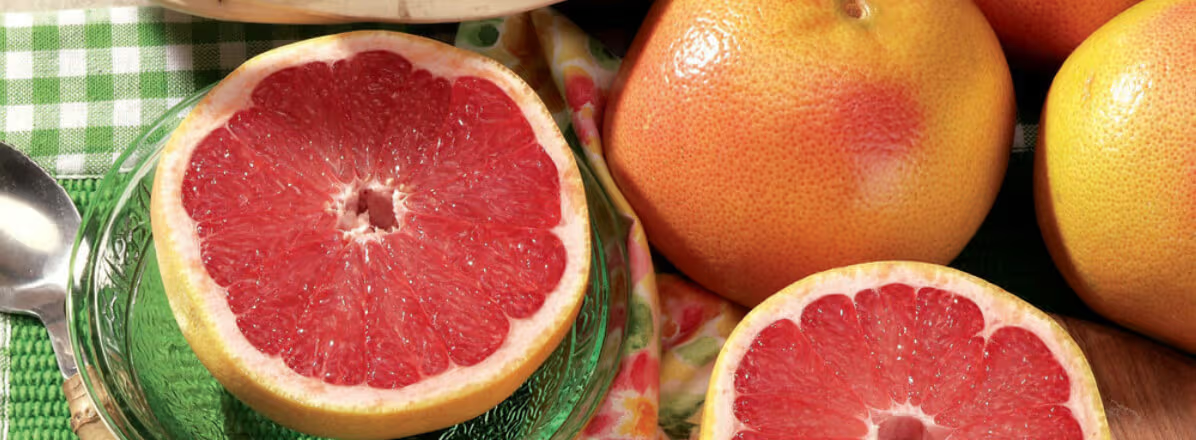
From yellow to pink-hued on the inside, this citrus fruit is larger than most, tart and slightly bitter (which a sprinkling of sugar can help tame). Grapefruit has a strong yet refreshing taste that works just as well at breakfast as it does in savoury dishes and salads. You’ll often see white, pink, or red grapefruits on grocery store shelves, with pink and red varieties generally offering a sweeter, less bitter profile than white grapefruit.
Tips:
- Use pink or red grapefruit to liven up salads, drinks, cocktails, and desserts, adding colour and a balance of sweetness and acidity. Chopped grapefruit also pairs beautifully with seafood, making it a fresh, flavourful addition to poke bowls or citrus-forward ceviche.
- Halve, top with cinnamon sugar, then broil until brown for a sweet-tart midday snack! The heat softens the fruit and mellows the bitterness, creating a warm, caramelized finish. Easy and the tiniest bit indulgent!
How to Pick Oranges, Lemons, and Other Citrus Fruits
How to Pick Oranges, Lemons, and Other Citrus Fruits
Knowing how to choose good-quality citrus while shopping helps you bring home better flavour, more juice, and less waste. While colour and size can vary by variety, there are a few consistent signs of freshness to look for across all citrus fruits.
1. Oranges
- Look for oranges that feel heavy for their size; they're usually juicy.
- Choose fruit with firm, smooth skin and vibrant colour, avoiding those with soft spots or shrivelling.
- Minor surface blemishes are fine and don't affect taste. Focus on overall firmness and weight when deciding how to pick oranges.
2. Lemons
- Select lemons with glossy, bright-yellow skin and a slightly soft feel when gently squeezed.
- Heavier lemons tend to have more juice, making them ideal for cooking and baking.
- Avoid lemons with dull skin or hard, dry ends, as these can be signs of age.
3. Limes
- Pick limes that are smooth, shiny, and feel heavy for their size.
- A slight give when pressed is a good indicator of juiciness.
- Avoid limes with wrinkled skin or large brown spots, which may indicate dryness.
4. Grapefruit
- Choose grapefruit that feels heavy and dense, as this suggests a high juice content.
- Look for smooth, firm skin with consistent colour, whether white, pink, or red.
- Small blemishes are normal, but avoid fruit with overly soft areas or shrivelled skin.
How to Store Citrus Fruits
How to Store Citrus Fruits
Proper storage helps citrus fruits stay fresh, juicy, and flavorful for as long as possible. While some varieties can be kept at room temperature, others benefit from refrigeration to extend shelf life. Here's a guide to refer to!
1. Oranges
- Store at room temperature for up to a week if you plan to eat them quickly.
- For longer storage, place oranges in the fridge crisper drawer for up to 3–4 weeks.
- Keep them in a mesh or perforated bag to allow airflow and prevent moisture buildup.
2. Lemons
- Lemons can stay fresh at room temperature for about a week.
- Refrigerate in the crisper drawer or in a sealed bag to extend freshness up to 3–4 weeks.
- Avoid storing lemons in airtight containers without ventilation, as this can trap moisture and promote mould.
3. Limes
- Keep limes at room temperature if you'll use them within a few days.
- For longer storage, refrigerate in a mesh or perforated bag to maintain juiciness for up to 3–4 weeks.
- Limes can also be frozen whole or as juice if you want to preserve them even longer.
4. Grapefruit
- Grapefruit can sit at room temperature for 1–2 weeks.
- For extended storage, refrigerate in the crisper drawer for up to a month.
- Like oranges, store in a breathable bag or loosely in the fridge to prevent the buildup of moisture.